- Learning Japanese
- Japanese Culture
2026.02.08

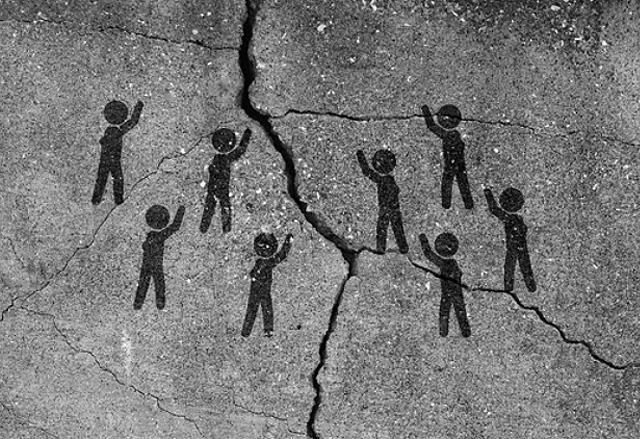
China, Japan, and Korea sit side by side on the map.
They share centuries of cultural exchange, philosophical traditions, and historical influence. Yet when it comes to politics and international relations, they often appear locked in tension—frequent disputes, lingering resentment, and a deep sense of mistrust that refuses to fade.
At first glance, this seems puzzling.
These three nations are bound by a remarkable shared heritage. Classical Chinese shaped written language across the region. Buddhism and Confucianism crossed borders and helped define moral, social, and political thought. Food, art, architecture, and systems of education developed through constant exchange. For much of history, East Asia functioned as an interconnected cultural sphere rather than isolated civilizations.
And yet, despite these shared roots, relations between China, Japan, and Korea have often been strained—sometimes openly hostile. Political rivalry, military conflict, colonial trauma, and unresolved historical grievances continue to influence how each country views the others. Even today, disagreements over territory, history, and national identity regularly reignite old wounds.
This contradiction lies at the heart of the issue: how can societies so closely connected culturally remain so divided politically and emotionally?
The answer is not simple, and it cannot be reduced to one country or one event. To understand why relations remain fragile, we must look beyond headlines and nationalism. We need to examine the long arc of history, the impact of war and colonization, the role of outside powers, and the way collective memory continues to shape modern identities.
This article explores the historical, political, and cultural forces that have shaped relations between China, Japan, and Korea—and why, despite shared heritage and growing people-to-people connections, reconciliation remains so difficult.
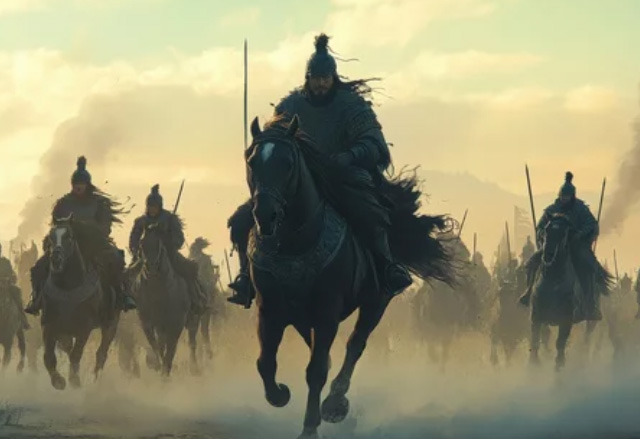
For much of their early history, China, Japan, and Korea were not isolated civilizations, but participants in a shared East Asian world. Language, religion, political philosophy, technology, and systems of governance flowed across borders for centuries, creating deep cultural bonds.
At the same time, proximity also bred rivalry. Competition for influence, repeated wars, and shifting power balances fractured trust. These tensions did not emerge overnight—they accumulated slowly, generation by generation.
Compounding these internal dynamics, Western colonial powers entered the region in the 19th century and reshaped East Asia to serve their own strategic and economic interests. Their intervention did not simply disrupt the region; it intensified existing rivalries and locked historical grievances into modern political identities.
Early Japanese civilization was profoundly influenced by China. Writing systems, legal codes, political institutions, Buddhism, Confucian thought, and artistic traditions were actively studied and adapted. For centuries, China functioned as the cultural and intellectual center of East Asia, and Japan as an eager learner.
Over time, however, admiration changed to rivalry. As Japan modernized rapidly in the late 19th century, it began to challenge China’s regional dominance. This shift culminated in the First Sino-Japanese War, which marked Japan’s emergence as a modern imperial power and China’s deep national humiliation.
The rupture deepened dramatically during the Second Sino-Japanese War, when Japan invaded large parts of China. The war brought immense suffering, including mass civilian casualties and atrocities that remain central to Chinese collective memory. These events continue to shape how Japan is viewed in China today, making reconciliation emotionally and politically difficult.
Historically, Korea functioned as a cultural bridge between China and Japan. Chinese ideas, technologies, and writing systems often reached Japan through the Korean Peninsula, giving Korea a unique and influential position in regional history.
Yet Korea’s geographic location also made it vulnerable. It endured repeated invasions and power struggles, including the 16th-century campaigns led by Toyotomi Hideyoshi and, later, Japan’s forced annexation of Korea from 1910 to 1945.
Under colonial rule, Koreans faced forced labor, the suppression of language and culture, and the system of military sexual slavery often referred to as “comfort women.” These experiences left deep scars. For many Koreans, unresolved issues of apology, compensation, and historical acknowledgment remain deeply personal and politically charged.
For much of history, China and Korea were linked through a tributary relationship often described as “big brother” and “little brother.” Korea maintained political autonomy while acknowledging China’s cultural and symbolic centrality. This arrangement allowed for long periods of stability and exchange, but it was not free of tension.
China intervened militarily in Korea on multiple occasions, sometimes in the name of protection or order, reinforcing hierarchical expectations and leaving lasting resentment alongside cultural influence.
The two countries also share memories of suffering under Japanese imperialism, which at times fostered a sense of solidarity. However, modern realities have complicated this relationship. Economic competition, geopolitical pressure, and differing political alignments—especially in relation to the United States—have introduced new sources of tension.
While cultural familiarity remains strong, historical hierarchy and modern power dynamics sometimes clash, creating friction beneath the surface.
In the 19th century, Western powers forcibly inserted themselves into East Asia. China was weakened by the Opium Wars, Japan was compelled to open its ports under unequal treaties, and the regional balance of power was permanently altered.
In the 20th century, colonialism and imperial competition further deepened divisions. Later, during the Cold War, East Asia was split along ideological lines. Alliances with Western or Soviet blocs reinforced national identities defined in opposition to one another, further agitating and solidifying historical grievances into political structures that persist today.
Western intervention did not merely exploit the region economically—it reshaped how countries perceived themselves and each other.
Ancient cultural exchange once brought China, Japan, and Korea together—China as the cultural center, Korea as a conduit, and Japan as an active adopter and adapter. But centuries of rivalry, colonization, and war left wounds that remain vivid.
Western intervention intensified these fractures rather than healing them, embedding historical resentment into education systems, political discourse, and collective memory. As a result, contemporary disputes are rarely just about territory or trade—they are deeply emotional, tied to unresolved history and identity.
This tangled past forms the foundation for many of today’s tensions and explains why relations among China, Japan, and Korea remain so fragile, even when cooperation seems both logical and necessary.
★Also try reading:
What Kind of People Are Maiko in Japan? Explaining the Differences from Geiko and the Traditional Ozashiki-asobi
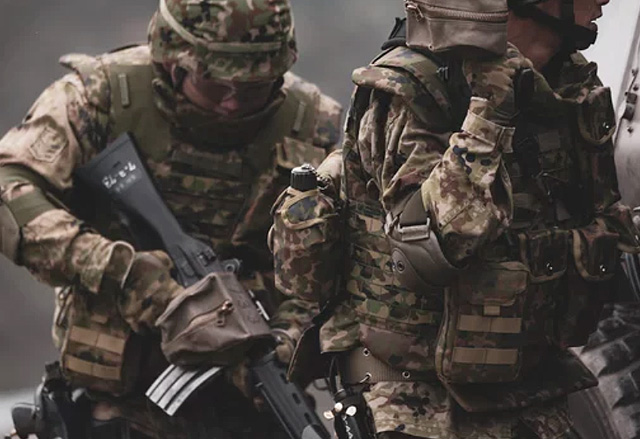
The end of World War II did not bring closure to East Asia. Instead, it marked the beginning of a new era in which unresolved historical grievances were reframed through Cold War politics, deepening divisions and reshaping national identities across the region.
In the postwar order, the United States emerged as a dominant external force. Japan, devastated by defeat, was rebuilt as a key U.S. ally. China underwent a Communist revolution, positioning itself in direct ideological opposition to the Western bloc. Korea, meanwhile, was divided by foreign powers into two opposing states. These outcomes did not erase old resentments—they layered new ones on top.
Japan’s defeat left deep scars throughout the region. For China and Korea, memories of wartime occupation, violence, and humiliation remained vivid. At the same time, Japan’s postwar transformation—guided heavily by the United States—created new tensions. The U.S. occupation reshaped Japan’s political system, military posture, and foreign policy, tying it closely to American strategic interests. While this alliance brought stability and economic growth, it also reinforced suspicion among neighboring countries that Japan had not fully confronted or made up for the past. Japan’s close alignment with the United States did not completely erase wartime responsibility, but it reduced sustained international pressure for deeper historical reckoning, leaving many issues unresolved in the eyes of its neighbors.
The Korean Peninsula became one of the most visible fault lines of the Cold War. Korea was split into North and South by outside powers, with the United States and the Soviet Union backing opposing regimes. The Korean War devastated the peninsula and left it permanently divided, adding another layer of trauma and instability to regional relations. For Koreans, this division is not only geopolitical—it is deeply personal, shaping national identity, security concerns, and relationships with both China and Japan.
China’s Communist rise further complicated matters. As the People’s Republic of China aligned itself against Western capitalism, ideological differences hardened into political identity. Japan and South Korea, both aligned with the United States, came to be seen not only as neighbors, but as ideological opponents. This divide reinforced narratives of distrust and rivalry, even as economic ties grew.
Over time, each country began defining itself in contrast to the others. National identity was shaped not just by internal values, but by historical memory and geopolitical positioning. Old grievances were preserved through education, media, and political discourse, ensuring that the past remained emotionally present.
Western influence continues to play a significant role today. Strategic alliances, military bases, and trade agreements often place China, Japan, and Korea on opposing sides of global power dynamics. Rather than encouraging regional unity, these structures frequently reinforce competition and suspicion.
As a result, the Cold War may be over in name, but its echo still rings loudly. The divisions it cemented continue to shape how these nations see one another—and why cooperation, even when mutually beneficial, remains so difficult.
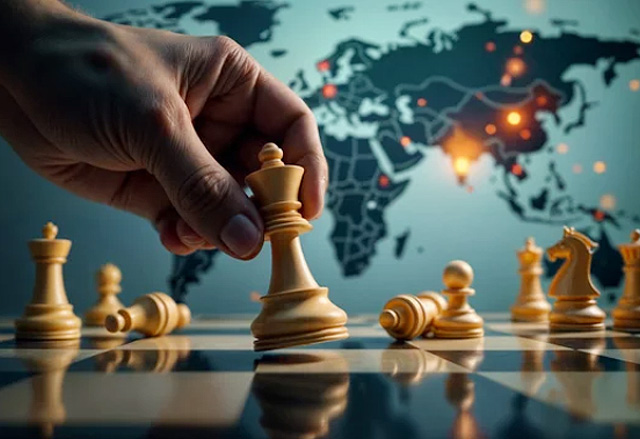
Despite decades of diplomacy and economic interdependence, certain disputes among China, Japan, and Korea continue to resurface, refusing to fade into history. These issues are not merely political—they are deeply tied to memory, identity, and unresolved emotion.
One of the most visible sources of tension is territorial disputes. The islands known as Senkaku in Japan and Diaoyu in China, as well as Dokdo in Korea and Takeshima in Japan, carry strategic and symbolic weight far beyond their size. While governments debate legal claims and historical records, for many citizens these disputes represent dignity, sovereignty, and historical justice. As a result, even minor incidents can provoke strong public reactions.
Another enduring fault line lies in history education. How Japan’s wartime actions are described in textbooks remains a deeply contested issue. China and Korea often view Japanese narratives as minimizing or obscuring suffering caused by imperial expansion, while Japanese perspectives vary widely, reflecting internal debates about responsibility, victimhood, and national pride. Because education shapes how each generation understands the past, these disagreements feel existential rather than academic.
Closely tied to this is the issue of war apologies. Japan has issued multiple statements expressing remorse, yet debates persist over their sincerity, consistency, and political follow-through. Visits by political leaders to controversial memorial sites (visits by Japanese political officials to Yasukuni Shrine that enshrines 14 Class-A war criminals ) or revisions to official language can quickly reignite distrust. For those who suffered directly or inherited the trauma of occupation, apologies are not simply words—they are measures of acknowledgment, accountability, and respect.
These disputes endure because they are not only about the past. They are about how the past is remembered, taught, and integrated into present-day identity.
★Also try reading:
What Is Rakugo? History, Appeal, and Three Beginner-Friendly Stories
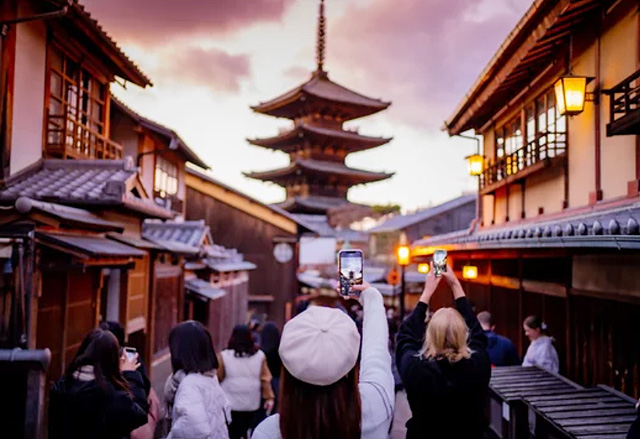
And yet, despite political friction and historical wounds, cultural connection among China, Japan, and Korea has not disappeared. In many ways, it has quietly grown stronger.
Trade, tourism, and everyday exchange continue at enormous scale. Millions of people travel between the three countries each year, forming personal impressions that often contrast sharply with political rhetoric. Markets, restaurants, universities, and workplaces remain deeply interconnected.
Popular culture plays an especially powerful role. K-pop, anime, manga, television dramas, and online media circulate freely across borders, particularly among younger generations. Fans form communities that transcend nationality, drawn together by shared interests rather than historical grievances. Japanese anime finds devoted audiences in China and Korea, while Korean music and dramas enjoy immense popularity in Japan. These cultural flows reveal a reality often hidden beneath headlines: curiosity, admiration, and emotional connection persist.
The presence of Chinese and Korean tourists in Japan—and Japanese fans of Korean and Chinese pop culture—underscores this point. On a personal level, many individuals experience warmth, hospitality, and familiarity rather than hostility. Culture, unlike politics, allows people to engage without first resolving historical disputes.
This does not erase the past, nor does it solve political conflict. But it shows that connection remains possible, even when reconciliation at the state level feels distant.
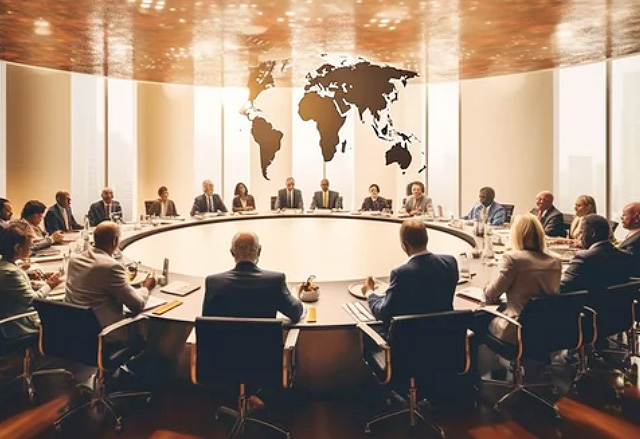
From the outside, relations among China, Japan, and Korea can appear perpetually hostile. Headlines highlight protests, diplomatic clashes, and nationalist rhetoric, creating the impression that conflict is the norm rather than the exception.
One reason for this perception is media amplification. Disputes, scandals, and confrontations naturally attract more attention than quiet cooperation. Trade agreements, academic exchange, joint research, and everyday collaboration rarely make international news, even though they occur constantly behind the scenes.
Political incentives also play a role. Nationalist rhetoric is often used by politicians to rally domestic support, especially during times of economic uncertainty or political instability. Invoking historical grievances or territorial disputes can be an effective way to mobilize voters—even when doing so worsens regional relationships. These messages are aimed inward, but their impact is felt outward.
Yet this political theater contrasts sharply with reality on a human level. People-to-people relationships are often far warmer than headlines suggest. Friendships, professional cooperation, tourism, and cultural exchange flourish across borders. Students study abroad, coworkers collaborate, and travelers experience hospitality rather than hostility. In daily life, curiosity and respect are far more common than resentment.
The gap between political narrative and lived experience helps explain why tensions appear more severe than they often are in practice.
★Also try reading:
What Is Omotenashi? A Deep Dive Into Japanese Hospitality Culture That Continues to Move Visitors From Around the World

There is no denying that historical wounds, territorial disputes, political rhetoric, and foreign influence continue to fuel tension among China, Japan, and Korea. These forces shape national narratives and ensure that the past remains emotionally present.
But this is not the whole story.
Shared culture, economic interdependence, and everyday human interaction point toward a more hopeful reality. Beneath political friction lies a web of genuine cultural exchange, mutual influence, and personal connection. These quiet bonds do not erase history—but they show that coexistence and understanding are possible.
To gain a balanced perspective, it is essential to understand both the role of outside powers and the difference between state-level conflict and individual relationships. Nations may clash, but people continue to learn from, admire, and support one another across borders.
Looking past the headlines allows space for empathy. Understanding history—rather than weaponizing it—is the first step toward mutual respect. Individuals who take the time to learn, listen, and engage across cultures can become small but meaningful agents of positive change, helping to soften divisions not only in East Asia, but around the world.
At Oku Sensei’s Japanese, we believe language learning is a powerful form of cultural literacy. Through studying Japanese, students gain insight not only into words and grammar, but into the historical and cultural context that shapes how people think, communicate, and relate to one another.
If you are interested in learning Japanese as a way to better understand Japan—and East Asia more broadly—we invite you to take advantage of our free consultation.