- Learning Japanese
- Japanese Culture
2026.05.06

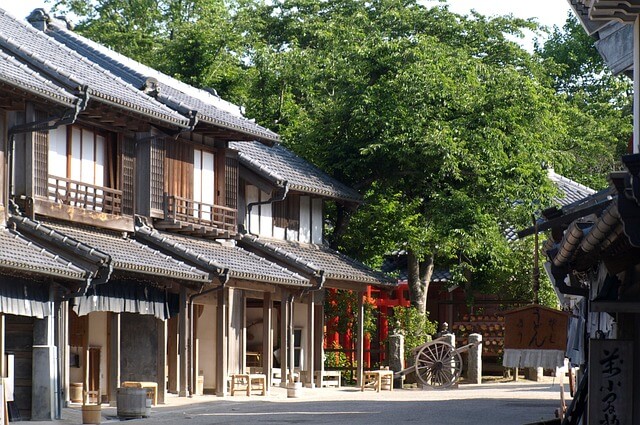
As you learn about the Edo period established by Tokugawa Ieyasu, have you ever wondered, “What kind of lives did people live back then?”
By understanding the daily lives of commoners and samurai during the Edo period, you can enjoy Japanese history on a much deeper level.
In this article, we will explain what kind of era the Edo period was, the characteristics of life during that time, and the daily lives of both commoners and samurai in the Edo period.
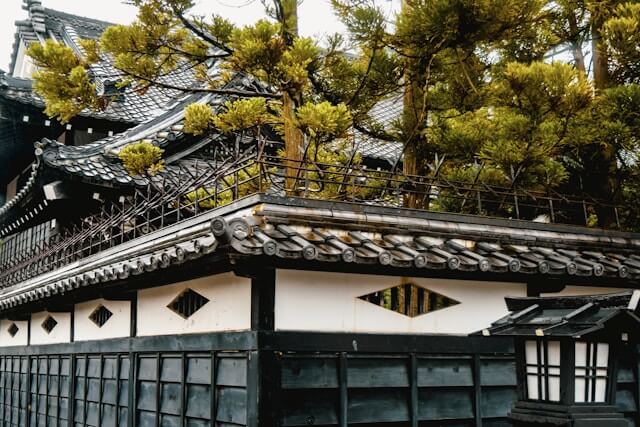
The Edo period began when Tokugawa Ieyasu won the Battle of Sekigahara and established the Edo shogunate.
It lasted for about 260 years, from 1603 to 1867, during which time politics, the economy, and culture developed significantly.
At the time, in order to maintain stability, Japan adopted a policy of “sakoku” (national isolation), which restricted contact and trade with foreign countries. However, factors such as the arrival of Commodore Perry in 1853, which led to the decline of the shogunate’s authority, eventually brought the Edo period to an end.
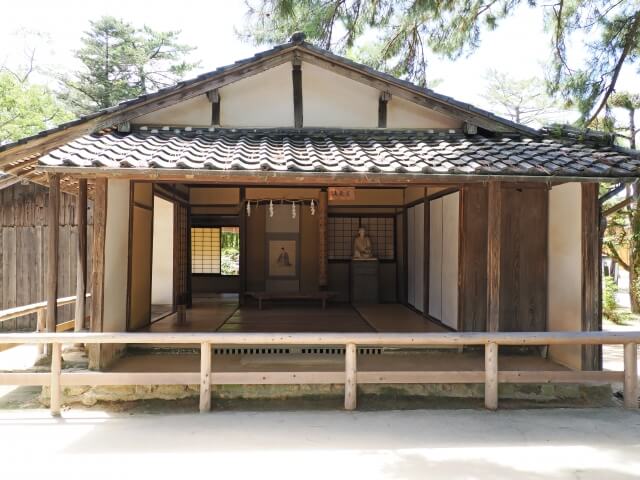
The main characteristics of life during the Edo period can be summarized in the following three points:
Let’s take a closer look at each of these three features.
The Edo shogunate established a clear social class system in order to strengthen its control, and as a result, people’s lifestyles—such as clothing, food, and housing—varied depending on their class.
|
Types of social classes |
Their characteristics |
|
Samurai |
About 7% of the population. They held a higher status than townspeople and farmers, and were permitted to have family names and carry swords. |
|
Townspeople (Chōnin) |
About 5% of the population. They engaged in commerce and trade in urban areas such as castle towns. |
|
Farmers (Hyakushō) |
About 80% of the population. They lived mainly in rural areas and worked in agriculture. |
In addition to these groups, there were also people such as the Emperor, court nobles, and Buddhist monks, who were treated with a status comparable to the samurai, as well as those known as “eta” and “hinin,” who were considered the lowest social classes.
★Also try reading:
What Is Bushidō—And Why It Still Shapes Japan Today
Compared to today, there was far less artificial lighting during the Edo period, so it was common for people to go to bed around 7–8 p.m. after sunset and wake up around 4–5 a.m. to begin their day.
Because people lived in alignment with the natural cycle of the sun and did not stay up late, it is said that they were less likely to suffer from chronic sleep deprivation like people often do today.
During the Edo period, Japan practiced sakoku (national isolation), and in order to rely solely on domestic resources, it developed a sustainable, circular society.
Plants were widely used for many aspects of daily life, including fuel for lighting, clothing, and food. After houses were dismantled, the materials were reused as building materials for other homes, and even wood scraps were recycled as fuel or fertilizer.
In addition, there were many recycling and repair businesses, and it was common to reuse ash as fertilizer, dye material, or cleaning agents, as well as to recycle used washi paper into new paper.
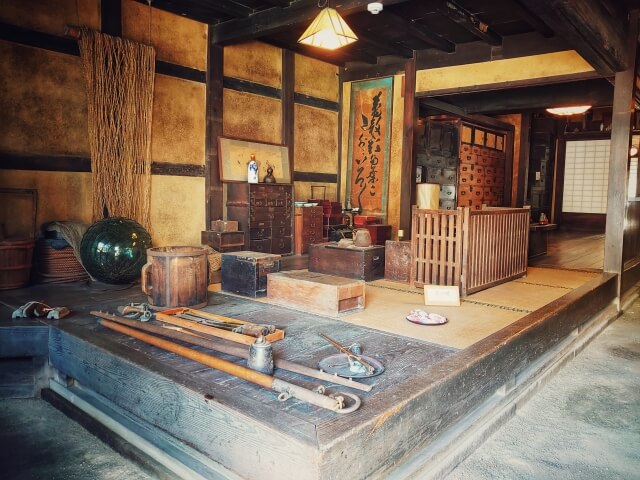
From here, we will introduce the daily life of commoners, such as townspeople, in the Edo period through the following four categories:
Let’s take a closer look at what life was really like for commoners during the Edo period.
The Edo shogunate encouraged commoners to wear clothing made of cotton or hemp, while restricting the use of silk, thereby prohibiting luxurious attire.
In addition, the use of bright colors was also limited, which led to the widespread use of more subdued tones such as indigo-dyed fabrics.
However, commoners still found ways to enjoy fashion within these restrictions. Even with simple clothing, they expressed their sense of style through color combinations, patterns of undergarments, and layering techniques, achieving surprisingly refined looks.
In the early Edo period, it was common to eat two meals a day, in the morning and evening. However, from the mid-Edo period onward, the practice of eating three meals a day—breakfast, lunch, and dinner—became established.
For townspeople, a basic meal typically consisted of rice, miso soup, and pickles. Due to increased rice production during the Kyōhō Reforms, it is said that an adult consumed as much as five cups of rice per day.
In addition, various types of food establishments, including street stalls, began to appear, and people enjoyed dishes such as soba, sushi, and tempura.
On the other hand, among farmers, rice consumption was strictly limited in order to meet tax obligations in rice, so they often ate more modest meals such as barley rice or soba dumplings.
Many townspeople in the Edo period lived in rental row houses called “ura-nagaya,” which were built in back alleys of urban areas.
These houses were quite small and simply constructed, typically divided into spaces of about 3 tsubo (approximately 10 square meters). However, because the rent was relatively affordable—about 8,000 to 12,000 yen per month (modern equivalent)—they were widely accepted.
Although privacy was minimal, residents supported one another in daily life. For example, neighbors would step in to mediate family arguments or share seasonings and daily necessities, creating a strong sense of community.
Meanwhile, farmers generally lived in rural villages away from castle towns, showing that their living environments differed from those of townspeople.
Common forms of entertainment for townspeople included rakugo storytelling, sumo wrestling, magic shows, and mechanical performances (karakuri) at entertainment booths.
Kabuki theater, which was especially popular among the people of Edo, often featured dramatic performances such as heroic tales, particularly the bold and exaggerated style known as “aragoto.” Audiences enjoyed these performances while eating boxed meals and drinking tea.
Seasonal activities were also an important source of enjoyment. People appreciated the changing seasons through events such as cherry blossom viewing in spring and moon viewing in autumn.
In contrast, farmers, who lived under stricter control, were generally allowed to enjoy food and drink during religious events, often preparing special seasonal meals for such occasions.
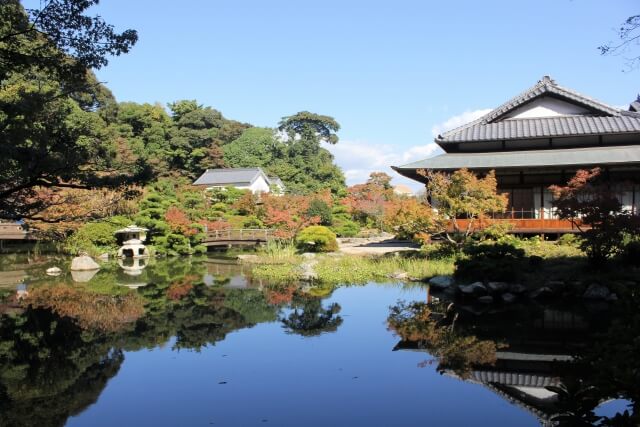
Here, we will explain what kind of lives samurai lived during the Edo period, divided into the following four categories:
By understanding these unique lifestyles of the Edo period, you can gain a deeper appreciation of Japanese history.
Samurai clothing was strictly regulated according to rank and family status, and it is said that one’s social position could be recognized at a glance.
Formal attire was further divided into eight detailed ranks, and the highest-ranking ceremonial outfit, known as “sokutai,” could not be worn without the assistance of attendants.
Clothing for women of samurai families was also carefully regulated. For those who were not of a rank permitted to have an audience with the shogun, the more common garment known as “kosode”—also worn by commoners—was widely used.
★Also try reading:
12 of the Most Famous Samurai in Japanese History | Introducing Legendary Swordsmen and Warlords
The diet of lower-ranking samurai was quite similar to that of commoners, with the addition of simple dishes such as simmered vegetables.
Fish was only eaten a few times a month, and it is said that some samurai even enjoyed eating at street stalls alongside commoners.
On the other hand, higher-ranking samurai tended to avoid street stalls due to concerns about status and appearance, and some instead dined at high-end traditional restaurants.
Samurai residences were strictly determined according to rank and status. For example, powerful feudal lords (daimyō) who participated in the system of alternate attendance (sankin-kōtai) and traveled to Edo could have estates spanning tens of thousands of square meters.
In contrast, lower-ranking samurai often lived in separate designated areas, but their living conditions were similar to commoners, sometimes sharing row houses (nagaya).
While they occasionally held social gatherings with sake, many samurai faced financial difficulties and took on side jobs to support themselves.
Common forms of entertainment for samurai included drinking, fishing, visiting pleasure districts, and watching Noh theater.
It is also said that because Tokugawa Ieyasu enjoyed gardening, horticulture became popular among samurai as well.
Although kabuki theater, which was extremely popular among commoners, was officially off-limits to samurai, it is said that many secretly went to watch performances.
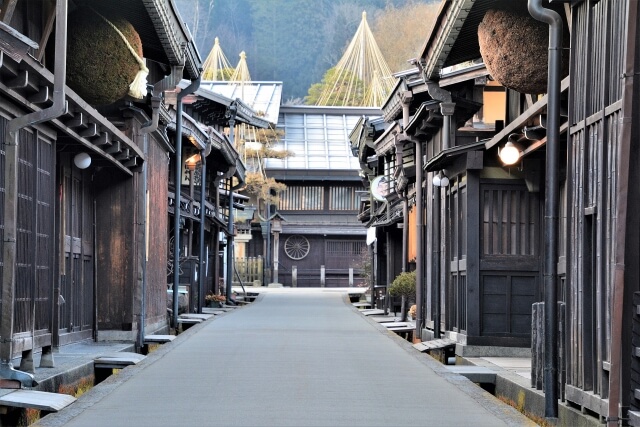
In this article, we explained what kind of era the Edo period was, the key characteristics of life during that time, and the daily lives of both commoners and samurai.
If you would like to learn more about the Edo period, why not try studying through the online lessons at Oku Sensei’s Japanese?
At OSJ, Oku Sensei—who has over 20 years of teaching experience at universities across the United States—provides careful support not only for learning Japanese, but also for gaining a deeper understanding of Japanese history and culture.
Right now, Oku Sensei’s Japanese is offering a “free 30-minute consultation,” so be sure to check it out.