

- Learning Japanese
- Japanese Culture
2026.04.22


Have you ever felt, “Even though I live in Japan, I can’t seem to make Japanese friends…”?
Even if you are studying Japanese and living in Japan, you may find that your daily life ends up being conducted entirely in English. And sometimes, you might suddenly wonder, “Am I really fitting into Japanese society?”, and feel a sense of loneliness.
This is not something you are experiencing alone. Many Japanese language learners and people living in Japan face the same challenge.
In this article, we will introduce 7 ways to make Japanese friends, along with practical tips for building deeper relationships. It will help you understand how to close the distance, so please feel free to use it as a reference.

There are three main reasons why it can feel difficult to make Japanese friends:
Japanese people often have a unique communication style, such as not expressing their feelings directly or relying on unspoken understanding, thinking that “it can be understood without putting it into words.” Because of this, those living in Japan may sometimes feel confused in communication.
In addition, even for those studying Japanese, there are many challenging aspects such as the large vocabulary and complex grammar, which can make it feel difficult to express one’s opinions.
Furthermore, it is not uncommon to feel anxious in an unfamiliar environment, making it harder to take proactive steps to make friends.
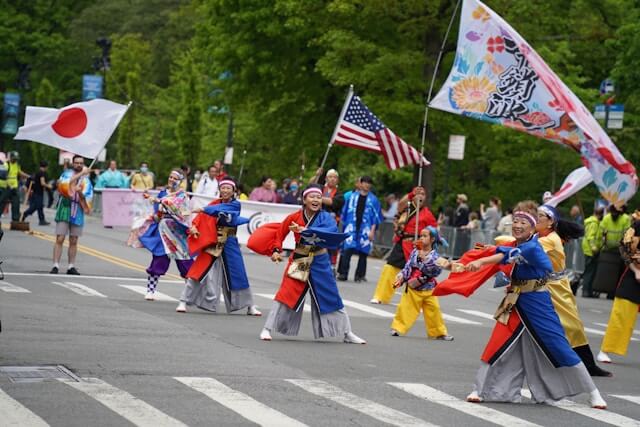
The seven ways to make Japanese friends are as follows:
Here, we will explain each of these seven methods in detail.
If you want to make Japanese friends, why not try joining a club or group?
A club is a group where people gather to engage in activities based on shared hobbies or goals.
In Japan, there are various types of clubs such as sports, cooking, and gaming, where local people casually gather and share their interests.
Since this can be a great opportunity to make friends, try searching for local groups on social media and joining one.
Participating in events where local people gather can also help you make Japanese friends.
In Japan, various events such as food festivals, sports events, music events, and traditional festivals are held in different regions, allowing you to interact with many local residents you would not normally meet.
Since you can connect with people of different generations who share similar interests, it is easier to hit it off and make friends.
For those who want to make Japanese friends, participating in volunteer activities is also recommended.
Volunteer activities in Japan include environmental conservation efforts such as forest maintenance, community clean-up activities, and initiatives like “kodomo shokudo” (children’s cafeterias), which provide warm meals to children from low-income families.
Because you work together while sharing values, you can build strong bonds that are difficult to form through other methods.
Another way to make Japanese friends is by staying in a shared house.
In shared houses where Japanese and international residents live together, conversations in Japanese are common, allowing you to deepen your relationships while learning both the language and culture.
Some shared houses also organize events such as social gatherings or group outings, making it an environment where even beginners can feel comfortable talking with others.
By finding opportunities to talk with students who are learning your native language, you can make Japanese friends who are interested in your home country.
If they are interested in your background, they will naturally ask questions, making it easier to keep conversations going—even if you feel that “it’s hard to expand conversations.”
To create such opportunities, you could participate as a helper in language classes (such as English classes) and interact with students.
If you have a visa that allows you to work, trying a part-time job in Japan is another option.
Workplaces such as restaurants, where staff work as a team, provide opportunities to interact with Japanese people not only during work but also at after-work gatherings.
When choosing a workplace, it is recommended to select one where many staff members work at the same time, rather than a small, quiet environment, as it increases opportunities for interaction.
If you have non-Japanese friends living in Japan, you can also ask them to introduce you to Japanese people they are close to.
With this method, being able to speak your native language at first is enough, making it an approachable option even if you are not confident in your Japanese.
In addition, Japanese people who are already close to foreigners are likely to understand different cultures, making it easier to build deeper relationships.
★Also try reading:
What Excellent Japanese Speakers Know That Most Don’t: Top 8 Secrets
“I tried joining a club, but I didn’t become as close with anyone as I expected…”
“Even when I go to events, it just ends there and doesn’t continue…”
Many of you may have felt this way. Even when you are taking action, if it doesn’t lead to results, it’s natural to feel confused or anxious.
In fact, there are several reasons why making Japanese friends can feel difficult.
First, in Japan, there is a strong cultural emphasis on maintaining an appropriate sense of distance in relationships.
Rather than becoming close right away, people tend to build relationships gradually over time.
In addition, the process of becoming friends is also different from that in Western cultures.
Trust is built little by little through repeated interactions and shared time together.
For this reason, it is not uncommon for relationships to remain surface-level after meeting only once or twice.
In other words, it is completely natural to feel that “even though I’m taking action, it’s not working.”
Continuing to stay connected over time is the key to deepening relationships.
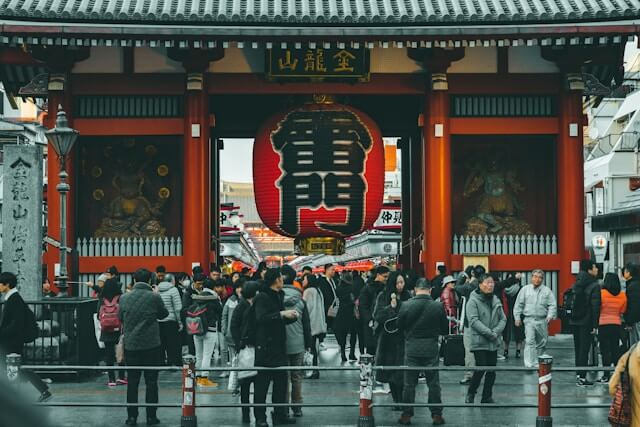
There are three key tips for making Japanese friends:
Here, we will explain these three tips in detail.
When making Japanese friends, the first important point is “polite greetings.”
In Japan, greetings are not just a formality, but an important part of communication that expresses respect for the other person.
For this reason, they also play a major role in shaping first impressions.
Even with basic phrases such as “Good morning,” “Nice to meet you,” and “Thank you,” conveying them with a smile and politeness can give the other person a sense of comfort and a positive impression.
In addition, in Japan, nonverbal communication—such as a slight bow or nodding while listening—is also very important.
These small actions can become the trigger for others to think, “This person is pleasant” or “easy to talk to.”
When speaking in Japanese, especially if you are not yet used to it, it is important to learn phrases that help keep the conversation going.
For example, a phrase like “That’s amazing! What was the most ___ part?” allows you to acknowledge what the other person said and ask for more details.
You can also expand the conversation by finding common ground, such as saying “I’ve seen that too.”
As a point to keep in mind when talking with Japanese people, it is best to avoid topics such as appearance, age, family background, or money, as these may make the other person feel uncomfortable.
Because Japanese culture is deeply connected to Japanese communication styles, it is important to understand it.
For example, Japan has a cultural concept called “wa” (harmony), which values group harmony over individual preferences. As a result, behaviors such as showing politeness and avoiding conflict are commonly seen.
There is also a concept known as “ishin-denshin,” which refers to communicating intentions without words. Japanese people often expect others to understand their intentions without explicit explanation.
By understanding these cultural aspects, you will begin to see why Japanese people prefer ambiguous expressions, making it possible to achieve deeper communication.
★Also try reading:
In-Depth Comparison: Private vs. Group Japanese Lessons — Which Method Truly Enhances Language Proficiency?
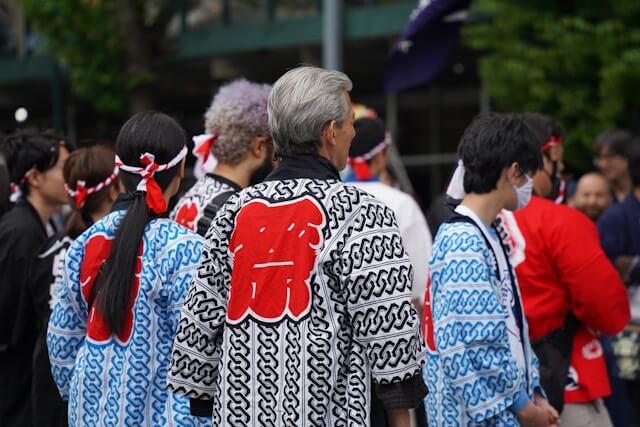
In this article, we introduced 7 ways to make Japanese friends and shared practical tips for building friendships with Japanese people.
If you feel that “even though I studied Japanese, communication with Japanese people still feels difficult,” the reason why conversations don’t continue or why the distance doesn’t close is not only about language, but also largely related to cultural understanding.
In the online lessons at Oku Sensei’s Japanese, you can learn practical Japanese that you can actually use, including these important cultural backgrounds.
At Oku Sensei’s Japanese, you can enjoy learning practical Japanese rooted in Japanese culture from a teacher with over 20 years of teaching experience.
Because you can learn with thorough support, even those who are not confident in their Japanese can feel at ease while aiming to improve their skills.
Right now, Oku Sensei’s Japanese is offering a “free 30-minute consultation,” so be sure to check it out.