
- Learning Japanese
- Japanese Culture
2026.04.22

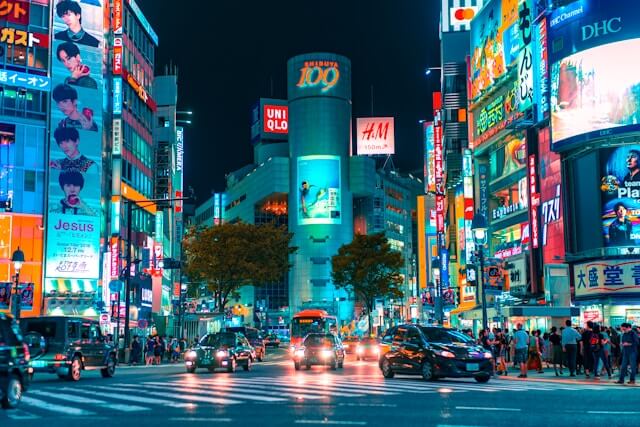
In Japan, there is a wide variety of modern culture, including pop culture often referred to as “Cool Japan.”
By learning about the unique characteristics of modern culture, let’s deepen our understanding of Japan.
In this article, we will explain that Japan is a country where “traditional culture” and “modern culture” coexist in harmony, the characteristics of modern culture in Japan [by category], and traditional Japanese culture that continues to be loved even today.
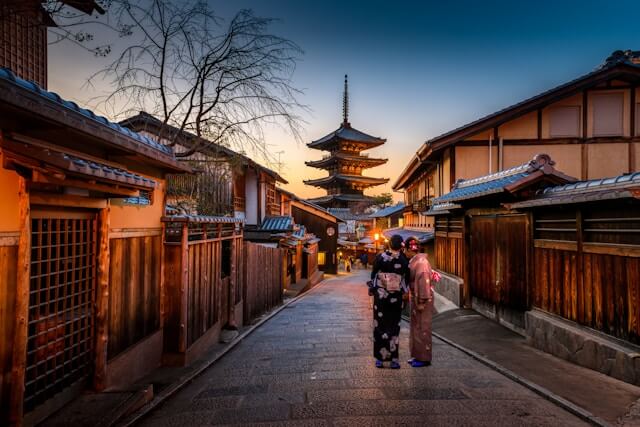
Japan is a country where “traditional culture” and “modern culture” coexist in harmony, such as samurai and kabuki being used as motifs in anime, and cat cafés or maid cafés being located near shrines and temples.
From here, we will introduce what traditional culture and modern culture are in Japan.
Traditional culture refers to arts, customs, and spiritual values that have been passed down over a long history.
Because it is rooted in the worldview and norms that people of that region have built through their daily lives, by learning about Japan’s traditional culture, you can gain insight into the identity of Japanese people.
Examples of traditional culture include fine arts and crafts, martial arts, and performing arts introduced later in this article, as well as events such as New Year (Oshogatsu) and Setsubun, and uniquely Japanese concepts such as “wa” (harmony) and “omotenashi” (hospitality).
Modern culture refers to popular culture and values that arise from people’s lifestyles and ways of thinking in contemporary society.
Because it reflects current lifestyles, beliefs, and trends, by learning about modern Japanese culture, you can understand how Japan is today and how people think.
Famous examples of modern culture include anime, manga, idols, and otaku culture, but you can also feel new values of modern Japan through literature, art, and architecture.
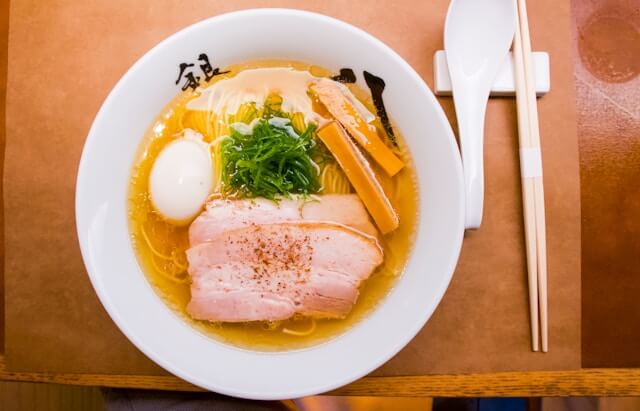
Here, we will introduce the characteristics of modern culture in Japan, divided into the following nine categories:
Let’s grasp the characteristics of modern Japanese culture and further deepen our understanding of Japan.
When it comes to Japanese cuisine, washoku, known for its delicate seasoning and emphasis on seasonal ingredients, is widely recognized. However, today, Western-style dishes, Chinese food, and ethnic cuisine—often adapted into a Japanese style, such as ramen and curry—are also commonly enjoyed.
In addition, takeout bento and prepared dishes have become widespread, and many people make use of ready-made meals from convenience stores and fast food, known as nakashoku.
Many people associate Japanese fashion with kimono, but today, a wide range of styles has become popular, from unique fashions influenced by Harajuku-born kawaii culture to simple and sophisticated styles.
At the same time, there are also modern fashions that incorporate traditional elements, such as textiles and dyeing techniques, into clothing, bags, and accessories, creating a fusion of tradition and modernity.
Japanese anime and manga are popular around the world due to their deep storytelling, appealing characters, and detailed expression.
They are not only for children but also feature a wide range of genres, including human drama, romance, and philosophical themes that can move adult audiences, often reflecting uniquely Japanese values.
★Also try reading:
The Depth of Japanese Manga and Its Storytelling — Introducing 4 Carefully Selected Manga with Exceptional Storytelling
Japanese games, an essential part of modern culture, are characterized by their highly creative worlds, memorable characters, and high-quality graphics.
While a wide variety of genres exists, there are also many long-loved series such as “Pokémon” and “Super Mario.”
Japanese music is characterized by catchy melodies that make use of the beautiful sound of the Japanese language, and includes a variety of genres such as enka, kayōkyoku, and J-POP, which incorporates elements of Western music.
In addition, idols, who inspire dreams and hope through singing and dancing performances, are a unique aspect of Japanese music culture, attracting many fans through their growth from an incomplete state and their approachable personalities.
Modern Japanese literature often depicts complex social changes and human psychology with delicate language unique to Japanese, and it is not uncommon for authors such as Haruki Murakami and Banana Yoshimoto to receive international recognition.
Additionally, works known as “Narou-kei”, which originate from free online novel posting and reading platforms, are also popular, widely appreciated for their easy-to-enjoy and refreshing content.
Modern Japanese art includes many works that combine traditional elements such as decoration and delicacy with contemporary sensibilities, as well as works that express modern society and personal emotions from unique perspectives.
There are also works that blend pop culture such as manga and anime, allowing viewers to experience a wide variety of expressions of Japanese identity.
Modern Japanese architecture often features a “Wa-modern” style, which combines traditional materials such as wood and shoji screens with concrete and glass, and incorporates elements of traditional Japanese houses such as the engawa (veranda-like space).
At the same time, innovative designs based on advanced earthquake-resistant technology unique to Japan and space-efficient layouts suited for small plots are also highly regarded.
When it comes to traditional Japanese sports, sumo is well known, but today, sports such as baseball, soccer, and basketball are also very popular.
In addition, with growing health awareness, activities such as walking, running, and yoga, which can be easily practiced, are becoming popular among all generations.
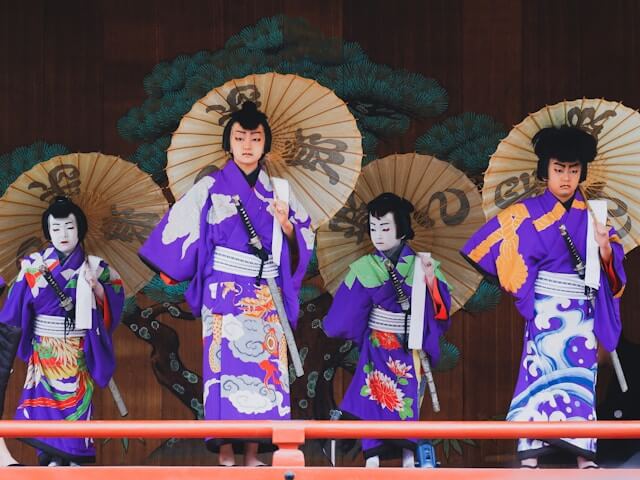
From here, we will introduce the following three types of traditional Japanese culture that are still loved today:
Be sure to explore these traditional cultures that continue to influence modern Japanese values.
Examples of traditional Japanese arts and crafts include the following:
|
Lacquerware |
Crafts made by applying layers of lacquer obtained from lacquer trees. |
|
Metalwork |
Crafts created by processing metal. |
|
Ceramics |
Pottery made mainly from clay and fired at high temperatures. |
|
Textiles |
Fabrics created through dyeing and weaving. |
Through Japanese arts and crafts made using traditional techniques and natural materials, you can feel the history and climate of Japan.
Japanese martial arts, which are part of traditional culture, include the following:
|
Judo |
A martial art derived from traditional Japanese jujutsu, focused on controlling an opponent. |
|
Kendo |
A martial art rooted in swordsmanship, where matches are decided using bamboo swords (shinai). |
|
Kyudo |
The oldest Japanese martial art, in which arrows are shot at a target using a Japanese bow (yumi). |
|
Karate |
A martial art believed to have developed under the influence of Okinawan fighting techniques and Chinese martial arts. |
Martial arts are a unique Japanese culture derived from Bushido, aiming to train both the mind and body through martial techniques.
★Also try reading:
What Is Bushidō—And Why It Still Shapes Japan Today
Traditional Japanese performing arts include the following:
|
Nohgaku |
A performing art that combines Noh, a musical drama composed of song and dance, and Kyogen, a comedy centered on dialogue. |
|
Kabuki |
A performing art in which music, dance, and acting are combined, performed by actors wearing distinctive makeup. |
|
Bunraku (Puppet Theater) |
A performing art composed of a narrator (tayu), shamisen music, and puppets. |
|
Rakugo |
A traditional art in which a single performer tells humorous and emotional stories while playing multiple characters. |
Nohgaku, Kabuki, and Bunraku are recognized as Japan’s three major classical performing arts, and all are registered as UNESCO Intangible Cultural Heritage.
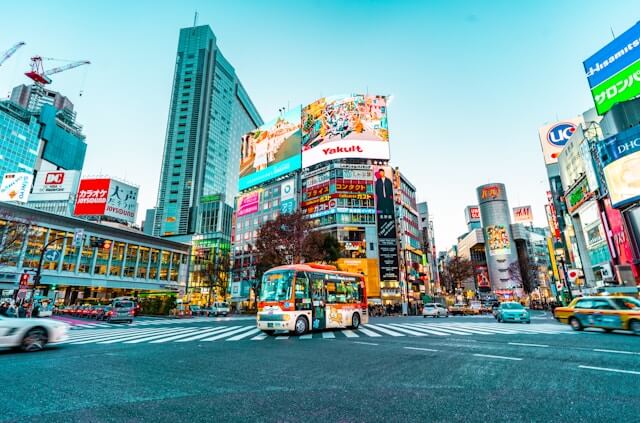
In this article, we explained that Japan is a country where “traditional culture” and “modern culture” coexist in harmony, the characteristics of modern culture in Japan, and traditional Japanese culture that continues to be loved today.
If you are thinking, “I want to learn more about modern Japanese culture!” or “I’m interested in the Japanese language,” why not start taking online lessons with Oku Sensei’s Japanese?
At Oku Sensei’s Japanese, based on the philosophy that “students are our treasure” and “students come first,” we support each individual learner through Japanese language education, helping them lead a more fulfilling life by offering career support and Japanese learning assistance.
Right now, Oku Sensei’s Japanese offers a “free 30-minute consultation,” so be sure to check it out.