- Learning Japanese
- Japanese Culture
2026.05.06

Have you ever been surprised by unique rules, customs, or values when enjoying Japanese manga or anime, or when actually visiting Japan?
Because Japanese culture and Western culture are different, understanding these differences allows you to build deeper relationships of trust with Japanese people and also gain insights that can enrich your life.
In this article, we will explain the characteristics of both Japanese and Western culture, the importance of understanding their differences, and 7 key differences between Japanese and Western culture.
First, let’s take a look at the characteristics of both Japanese and Western cultures.
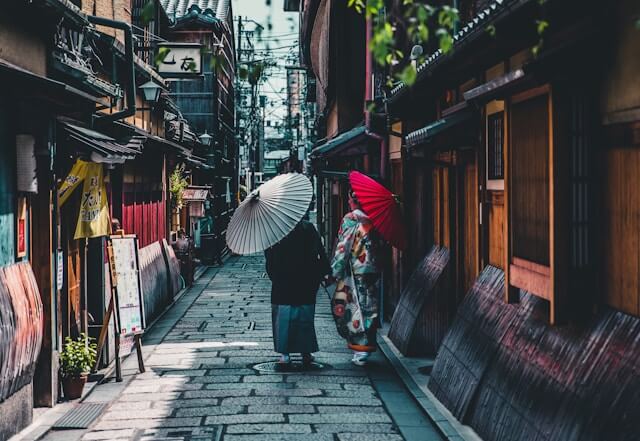
Japanese culture is a culture that has developed uniquely through the fusion of long-standing traditions nurtured within an island nation and influences from foreign cultures, particularly from China.
At its core are values such as finding beauty in nature while respecting and harmonizing with it, as well as a mindset that prioritizes group harmony over individual expression. These elements, shaped by a unique sensibility, have formed the culture we see today.
At the same time, in modern times, pop culture such as manga, anime, and games has also emerged, and these are highly regarded around the world as new forms of Japanese culture.
Western culture is a culture that has mainly developed in Europe, and it has been influenced by rational thinking and Christian values.
It is characterized by an approach that seeks to analyze and understand nature objectively, as well as values that emphasize individual opinions and independence.
Although there are many aspects that differ from Japanese culture, various elements of Western culture—such as clothing, food, music, and systems—have also been deeply incorporated into modern Japanese society.

The importance of understanding the differences between Japanese and Western culture is as follows:
Here, we will explain these three key points.
By understanding the differences between Japanese and Western culture, you can better grasp Japanese values, which helps you build stronger relationships of trust.
Even the indirect expressions that many learners find difficult when studying Japanese can be understood once you realize they are based on a mindset that values harmony and consideration for others. This leads to a better understanding of what the other person truly wants to say.
By fully internalizing these cultural differences, you can understand the other person’s true intentions and avoid unnecessary conflict, which promotes mutual understanding.
★Also try reading:
Why You Feel Isolated Living in Japan | Language & Culture Explained
By understanding the differences between Japanese and Western culture, you can communicate more smoothly in Japanese business settings, where people often switch between “honne” (true feelings) and “tatemae” (public stance).
In addition, by understanding uniquely Japanese practices such as hierarchical relationships and rules like upper and lower seating positions, you can grow into a valuable professional who can navigate diverse perspectives and generate new ideas, making you highly appreciated by companies.
By learning about Japanese culture, you can connect with the philosophy that Japanese people have long valued, and gain insights into living your life more thoughtfully from a new perspective.
For example, by understanding the spirit of “omotenashi” (selfless hospitality), you may develop a sense of generosity without expecting anything in return. By learning about “mottainai” (a respect for not wasting things), you can cultivate a more mindful way of living by appreciating what you already have.

From here, we will introduce seven specific differences between Japanese and Western culture:
Please take a closer look at these seven differences.
Japanese culture is characterized by a way of thinking that builds relationships while valuing harmony with others.
There is a tendency to prioritize overall balance over individual opinions, and acting with consideration for others is highly valued.
In addition, a uniquely Japanese aesthetic is the concept of “wabi-sabi,” which finds beauty in imperfection and empty space.
On the other hand, Western culture tends to emphasize individual autonomy and uniqueness, where having different opinions is respected as part of one’s individuality.
In terms of aesthetics, there is often an appreciation for vivid colors, powerful expression, and balance or symmetry.
In Japanese communication, because group harmony is prioritized, people tend to distinguish between “honne” (true feelings) and “tatemae” (public stance) and avoid direct expressions.
Furthermore, listeners are expected to “read the air,” meaning they understand what the speaker intends not only through words but also through context, facial expressions, and behavior.
In contrast, Western culture places importance on individualism, and it is generally considered better to communicate using clear and direct language that avoids misunderstanding.
In fact, I personally experienced confusion due to this difference. When I had just started studying abroad in the United States, I was talking with a friend at a university cafeteria.
In response to something I casually said, my friend honestly told me, “I don’t think so…”
I was very surprised by such a direct expression, which I was not used to hearing in Japan, and I couldn’t stop myself from crying at that moment.
Of course, there was no ill intent—the person was simply expressing their opinion naturally—but to me at the time, it felt very strong.
In this way, differences in communication styles can greatly affect how the same words are perceived.
★Also try reading:
Want to Communicate Better with Japanese People? Discover Japan’s Unique Communication Styles and Tips
A typical Japanese meal, “washoku,” is based on a structure called “ichiju-sansai” (one soup and three dishes), consisting of rice, soup, a main dish, and one or two side dishes made with seasonal ingredients.
Today, foods that originated overseas but have been adapted in a Japanese style—such as curry rice, Napolitan pasta, and ramen—are also commonly eaten.
On the other hand, Western culture typically centers around bread or pasta as staple foods, with meals that use a lot of meat and dairy products.
In addition, in Western culture, there are rules such as not making noise while eating and not lifting plates, whereas in Japan it is common to slurp noodles or hold bowls while eating.
Examples of everyday manners in Japan include:
In Western culture, there are customs such as keeping shoes on indoors and hugging as a greeting with close people, but these may be perceived differently in Japan, so it is helpful to be mindful depending on the situation.
These differences in values also appear not only in language but in behavior and mannerisms.
Having grown up in Japan, I was taught to value posture, gestures, and consideration for others.
For example, the way of sitting, bowing, and even placing one’s hands while listening became something I naturally learned.
However, when I went to the United States, some people around me felt that I seemed “a bit stiff.” This surprised me greatly.
From my perspective, I believed I was simply behaving politely so as not to be rude, so I had not expected it to be perceived that way.
Over time, I gradually became more accustomed to a more casual style, but I still find this difference between Japan and other countries very interesting.
Examples of business etiquette in Japanese culture include:
On the other hand, in Western culture, business etiquette includes practices such as maintaining eye contact and shaking hands when greeting, and “ladies first,” regardless of internal or external relationships.
Japan has a culture that values the changing of the seasons, with many seasonal events such as cherry blossom viewing in spring, Setsubun to ward off evil spirits, Tanabata where wishes are written on strips of paper, and Obon to welcome the spirits of ancestors.
In many of these events, people also enjoy traditional special foods, allowing them to experience the unique charm of Japan.
In contrast, seasonal events in Western culture are often based on the Christian calendar or harvest traditions, such as Easter, which celebrates the resurrection of Jesus Christ in spring, and Halloween, which celebrates the autumn harvest.
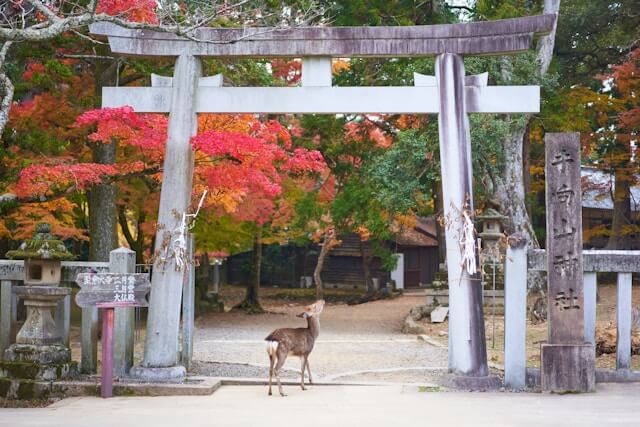
In Japan, Shinto, which believes that spirits reside in all things, and Buddhism, founded by Buddha in India, have blended together and coexist in everyday life.
Although relatively few people follow a specific religion strictly, religious-related events such as New Year shrine visits, Obon, and weddings are still practiced at seasonal and life milestones.
On the other hand, in Western culture, many people follow Christianity, which is deeply connected to art, ethics, and values.
In this article, we explained the characteristics of both Japanese and Western culture, the importance of understanding their differences, and 7 key differences between Japanese and Western culture.
If you would like to gain a deeper understanding of Japanese culture and make your communication with Japanese people more natural, why not try learning together in a lesson?
At Oku Sensei’s Japanese, you can learn not only Japanese grammar and vocabulary, but also the cultural background behind “why things are said or done in a certain way.”
As a result, you will not only become able to speak Japanese, but also gradually feel that the distance between you and Japanese people is getting closer.
Right now, Oku Sensei’s Japanese is offering a “free 30-minute consultation,” so be sure to check it out.