- Learning Japanese
- Japanese Culture
2026.06.01

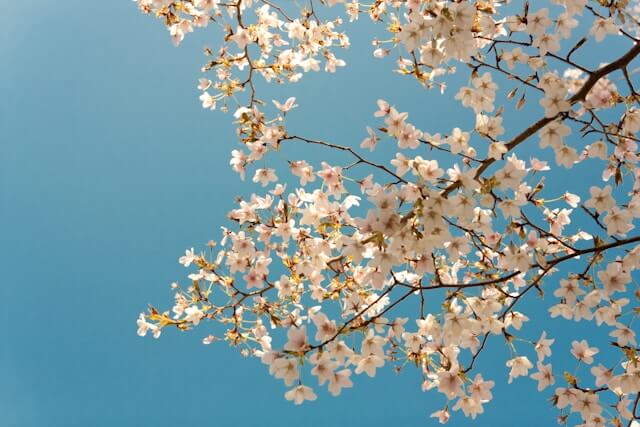
If you live in Japan or study Japanese, you may begin to notice something interesting.
In spring, people start talking about cherry blossoms. In summer, topics such as wind chimes and fireworks become common. In autumn, people enjoy autumn leaves and seasonal foods, while in winter, conversations often turn to snowy scenery and hot springs.
Seasonal expressions naturally appear everywhere—from convenience store snacks and traditional sweets to greetings in letters, school events, and even the language used in the news.
From the perspective of someone learning about Japan, you may wonder, “Why do Japanese people value the seasons so deeply?”
However, for Japanese people, the seasons are not simply changes in weather or temperature. The seasons are deeply connected to the way people relate to nature, food culture, annual events, aesthetic values, and the Japanese appreciation for “treasuring the present moment.”
In this article, we will clearly explain the cultural background behind Japan’s tradition of enjoying the changing seasons, the reasons why Japanese people value the seasons so much, and the characteristics of each season—spring, summer, autumn, and winter.
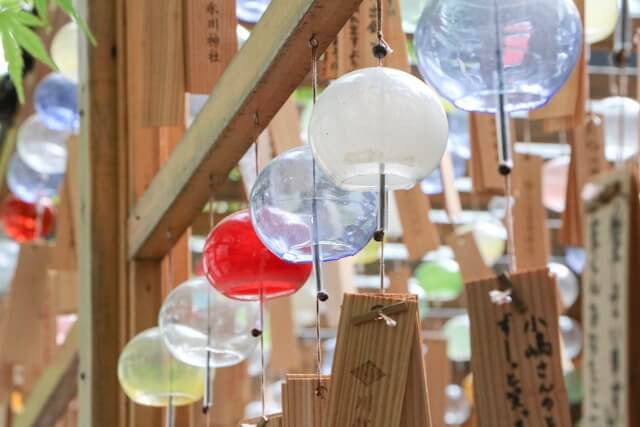
In Japan, where the four distinct seasons—spring, summer, autumn, and winter—can be clearly felt, people have developed a culture of appreciating the gentle changes of the seasons in many aspects of daily life.
|
Ways Japanese People Enjoy the Seasons |
Overview |
|
Food |
People enjoy seasonal ingredients as well as traditional sweets inspired by seasonal flowers, plants, and animals. |
|
Annual Events |
Seasonal events are held throughout the year to express gratitude toward nature and to pray for good health, happiness, and the healthy growth of children. |
|
Interior Design |
Seasonal touches are incorporated into daily life, such as floral motifs in spring or wind chimes in summer. |
|
Arts |
Seasonal awareness is deeply valued in uniquely Japanese arts, such as haiku using seasonal words called kigo, and the tea ceremony, where different tea utensils are used depending on the season. |
Why do Japanese people value the seasons so deeply?
Let’s explore the cultural background behind this in the next section.
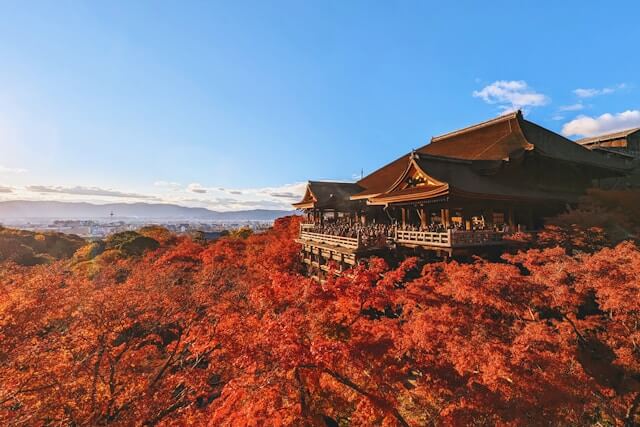
There are several reasons why Japanese people place such great importance on the seasons:
Let’s take a closer look at these five reasons.
Japan is known around the world as a country with rich and clearly defined seasons, which naturally makes people more aware of seasonal beauty.
This clear seasonal transition is partly because Japan is located in an area influenced throughout the year by various air masses—some cold and dry, others warm and humid.
Because of this, people can easily notice and appreciate the subtle beauty created by each season, such as the fresh buds of spring or the deep greenery of summer.
Another reason Japanese people value the seasons is that nature has long been viewed as something to live alongside and in harmony with.
Unlike some Western perspectives that emphasize controlling nature, Japanese culture has traditionally focused on how humans can live as part of nature itself.
Because of this mindset of respecting and coexisting with nature, Japanese people have accepted seasonal changes with both appreciation and awe, while gratefully receiving nature’s blessings.
★Also try reading:
7 Key Differences Between Japanese and Western Culture | A Simple Guide to Understanding Different Values
The Japanese appreciation for the seasons is also connected to the Shinto belief that spirits reside in all elements of nature.
Since ancient times, people in Japan have believed that mountains, oceans, wind, and many other natural elements possess spiritual presence. As a result, seasonal changes were viewed with both reverence and respect.
Today, many Japanese people do not actively follow a specific religion. However, Shinto-based customs still naturally remain part of everyday life—for example, decorating homes with kadomatsu during the New Year to welcome the gods.
The Japanese appreciation for the seasons is also deeply connected to traditional aesthetics such as “mujō” (the impermanence of all things) and “wabi-sabi,” the beauty found in imperfection and transience.
The Japanese sense of impermanence, influenced by Buddhist teachings, allows people to feel the fragile beauty of cherry blossoms falling in spring and to treasure fleeting moments precisely because they do not last forever.
Meanwhile, the aesthetic of wabi-sabi encourages people to find beauty in things shaped naturally by time and nature—for example, a quiet moss-covered garden rather than a perfectly maintained one.
In this way, Japanese people tend to cherish the changing seasons through these uniquely Japanese ways of seeing the world.
Another reason Japanese people value the seasons is that daily life in Japan has long been deeply connected to them.
Because Japan traditionally developed as an agricultural society, people needed to pay close attention to seasonal changes in order to know when to plant and harvest crops. This led to the development of seasonal calendars such as the 24 Solar Terms.
In addition, annual events based on the changing seasons developed from feelings of gratitude and reverence toward nature, prayers to gods and Buddhas, and respect for ancestors.
Traditional Japanese cuisine, known as washoku, also expresses the beauty of the seasons through seasonal ingredients and artistic presentation.
Oku Sensei’s father often used seasonal vegetables grown in his own garden in his cooking. Because Oku Sensei loved vegetables so much, he would always prepare salads piled as high as possible with freshly harvested produce. Even today, this remains one of Oku Sensei’s warmest memories.
In this way, the seasons naturally live not only in special events, but also in everyday family meals and daily life in Japan.
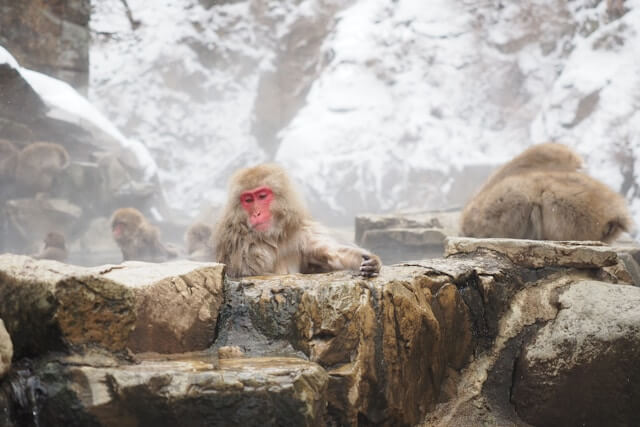
From here, let’s explore the unique characteristics of the four seasons that Japanese people cherish so deeply.
Understanding the seasons can help you enjoy life and travel in Japan even more, so be sure to take a look.
Spring is the season when people begin to feel warmth after the long cold winter, and it is also the time when Japan’s iconic flower, the cherry blossom, comes into bloom.
Cherry blossoms are usually at their peak for only about one week, and because blooming times vary depending on the region and type of cherry tree, it is a good idea to check the forecast before visiting.
Spring is also known for delicious seasonal foods such as slightly bitter mountain vegetables, crunchy bamboo shoots, elegant-tasting Spanish mackerel (sawara), and rich, flavorful firefly squid.
★Also try reading:
What’s the Best Season to Visit Japan? A Month-by-Month Guide to Highlights and Top Travel Spots
After the rainy season known as tsuyu comes to an end, Japan enters summer, when the bright sun shines strongly across the country.
Although the weather is hot, humid, and often intense, summer is also a lively and energetic season filled with festivals, fireworks, beach trips, camping, and many other outdoor activities.
Oku Sensei has loved summer fireworks ever since childhood. One of her warmest memories is visiting the famous Hakata fireworks festival in Kyushu together with her parents.
While Japanese summers can certainly be very hot, they are also a season that creates special memories that can only be experienced at that time of year—through things like fireworks festivals and traditional summer celebrations.
Typical seasonal foods enjoyed in summer include grilled eel (unagi) for stamina, refreshing treats such as watermelon and shaved ice, and cold Chinese-style noodles (hiyashi chūka) served with a tangy sauce.
As the intense summer heat begins to fade and cool breezes arrive, autumn brings the beautiful season of colorful autumn leaves, allowing people to enjoy breathtaking scenery throughout Japan.
In Japan, there is even a phrase, “shokuyoku no aki” (the season of appetite), because so many foods from both the mountains and the sea reach their peak during this time of year.
People can enjoy uniquely Japanese dishes and sweets made with a rich variety of seasonal ingredients, such as fragrant mushrooms, fatty Pacific saury (sanma), and crisp, juicy Japanese pears (nashi).
Winter in Japan varies greatly depending on the region. In places such as Hokkaido and areas along the Sea of Japan, beautiful snowy landscapes can be seen, and many snow-related festivals and events are held.
Winter is also the perfect season to enjoy activities such as skiing, snowboarding, and relaxing in hot springs, which feel especially comforting during the cold months.
Seasonal winter foods include hot pot dishes (nabe) made with vegetables that become sweeter in the cold weather and richly flavored fish, as well as osechi cuisine, traditionally enjoyed during the New Year holiday. Many people also enjoy drinking warm sake known as atsukan.
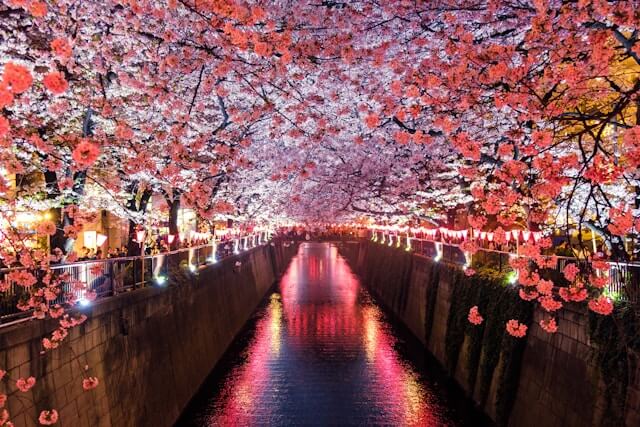
In this article, we explained that Japan has a culture of enjoying the changing seasons, the five reasons why Japanese people value the seasons, and the unique characteristics of each season in Japan.
If you are interested in Japanese culture, why not start learning through the online lessons at Oku Sensei’s Japanese?
At Oku Sensei’s Japanese, you can deepen your understanding not only of the Japanese language, but also of Japanese culture and history, with Oku Sensei, who has taught Japanese at American universities for over 20 years.
Right now, Oku Sensei’s Japanese is offering a “free 30-minute consultation,” so be sure to check it out.